
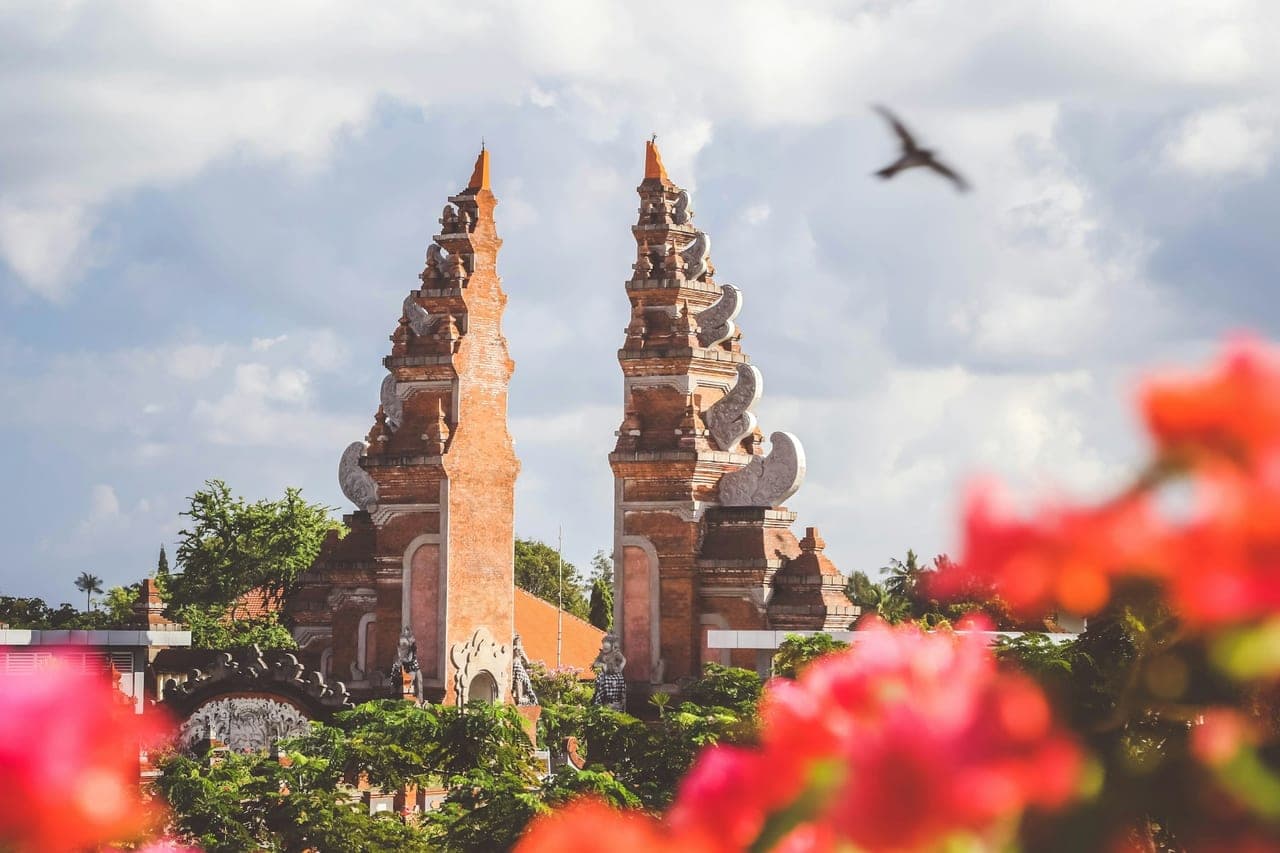
Top 10 Historical Places in Indonesia You Must Visit in 2026
Indonesia, the world's largest archipelago with over 17,000 islands, is home to some of the most remarkable historical sites in Southeast Asia. From ancient Buddhist and Hindu temples to colonial-era architecture, Islamic heritage sites, and prehistoric remains, this diverse nation offers visitors a journey through centuries of rich history and culture. As you plan your Indonesia eVisa application, make sure to include these must-visit historical destinations in your itinerary for an unforgettable cultural journey.
Table of Contents
- Borobudur Temple – World's Largest Buddhist Temple
- Prambanan Temple – Magnificent Hindu Complex
- Yogyakarta Kraton – Javanese Royal Palace
- Taman Sari Water Castle – Royal Garden Complex
- Old Batavia (Jakarta Kota Tua) – Colonial Heritage
- Sangiran Early Man Site – Prehistoric Discovery
- Trowulan – Majapahit Empire Capital
- Banten Lama – Ancient Islamic Port City
- Muara Takus Temple – Sumatra's Buddhist Heritage
- Gedung Sate – Bandung's Colonial Architecture
Borobudur Temple – World's Largest Buddhist Temple
Location: Magelang, Central Java, near Yogyakarta
UNESCO World Heritage Site: Yes (since 1991)
Best Time to Visit: April to October (dry season)
Historical Period: 8th-9th century AD
Borobudur is the world's largest Buddhist temple and one of the greatest Buddhist monuments ever built. This magnificent 9th-century Mahayana Buddhist temple is a masterpiece of Indonesian architecture and a testament to the region's rich Buddhist heritage.
Historical Significance:
Borobudur was built during the Sailendra Dynasty around 800-900 AD, during the peak of Java's Buddhist civilization. The temple was abandoned in the 14th century, likely due to the decline of Buddhism in Java and the rise of Islam. It was rediscovered in 1814 by Sir Thomas Stamford Raffles during British colonial rule and has since been restored multiple times.
Architectural Marvel:
- Structure: Built as a massive stupa in the form of a mandala
- Nine Terraces: Six square platforms topped by three circular platforms
- 2,672 Relief Panels: Intricate stone carvings depicting Buddhist teachings
- 504 Buddha Statues: Seated in meditation poses
- Central Stupa: 35 meters (115 feet) high, containing a Buddha statue
What to See:
- Relief Carvings: Detailed stone panels telling Buddhist stories and Jataka tales
- Buddha Statues: Hundreds of serene Buddha images
- Sunrise Views: Spectacular sunrise over the temple and surrounding volcanoes
- Museum: On-site museum with artifacts and restoration information
- Surrounding Landscape: Views of Mount Merapi and surrounding rice fields
Visiting Tips:
- Early Morning: Arrive before sunrise (around 4:30 AM) for the best experience
- Sunrise Tour: Book a sunrise tour for unforgettable views
- Guided Tours: Hire a guide to understand the temple's history and symbolism
- Comfortable Shoes: Wear good walking shoes for climbing the terraces
- Respect: This is an active religious site, dress modestly and behave respectfully
- Photography: Photography is allowed, but be respectful of worshippers
Nearby Attractions:
- Prambanan Temple: Combine with a visit to the nearby Hindu temple complex
- Mendut Temple: Smaller Buddhist temple nearby
- Pawon Temple: Another small temple in the area
- Yogyakarta: Base yourself in Yogyakarta for easy access
Prambanan Temple – Magnificent Hindu Complex
Location: Yogyakarta, Central Java
UNESCO World Heritage Site: Yes (since 1991)
Best Time to Visit: April to October (dry season)
Historical Period: 9th century AD
Prambanan is the largest Hindu temple complex in Indonesia and one of the most beautiful examples of Hindu architecture in Southeast Asia. Built in the 9th century, it represents the height of ancient Javanese art and architecture.
Historical Significance:
Prambanan was built around 850 AD by the Sanjaya Dynasty, likely to commemorate the return of Hindu rule in Java. The temple complex was dedicated to the Trimurti, the three main Hindu gods: Brahma (the creator), Vishnu (the preserver), and Shiva (the destroyer). Like Borobudur, it was abandoned and rediscovered in the 19th century.
Architectural Marvel:
- Main Temples: Three main temples dedicated to Shiva, Vishnu, and Brahma
- Shiva Temple: 47 meters (154 feet) high, the tallest and most important
- Relief Carvings: Intricate Ramayana epic carvings
- Temple Complex: Originally 240 temples, many now in ruins
- Restoration: Ongoing restoration work since the 1930s
What to See:
- Shiva Temple: Climb to the top for views and to see the Shiva statue
- Ramayana Reliefs: Detailed carvings telling the Ramayana epic
- Vishnu and Brahma Temples: Smaller but equally impressive temples
- Ramayana Ballet: Evening performances of the Ramayana epic (dry season)
- Museum: On-site museum with temple history and artifacts
Visiting Tips:
- Combination Ticket: Buy combined ticket with Borobudur for savings
- Evening Performance: Watch the Ramayana ballet during dry season
- Guided Tours: Learn about Hindu mythology and temple symbolism
- Best Time: Late afternoon for photography, evening for ballet
- Accessibility: Easier to access than Borobudur, closer to Yogyakarta
Yogyakarta Kraton – Javanese Royal Palace
Location: Yogyakarta, Central Java
UNESCO World Heritage Site: Part of Yogyakarta cultural landscape
Best Time to Visit: Year-round
Historical Period: 18th century to present
The Yogyakarta Kraton (Palace) is the official residence of the Sultan of Yogyakarta and remains an active royal palace. It's a living museum of Javanese culture and tradition, where the royal family still resides and traditional ceremonies continue.
Historical Significance:
Built in 1755-1756 by Sultan Hamengkubuwono I, the Kraton has been the center of Javanese culture and politics for over 250 years. It's one of the few remaining active royal palaces in Indonesia and continues to play an important role in Javanese society.
Architectural Features:
- Traditional Javanese Architecture: Classic Javanese palace design
- Seven Courts: Seven interconnected courtyards with different functions
- Pavilions: Various pavilions for ceremonies and royal functions
- Museum Collections: Royal artifacts, gifts, and historical items
- Traditional Arts: Regular performances of Javanese music and dance
What to See:
- Palace Grounds: Explore the seven courts and pavilions
- Museum Collections: Royal regalia, gifts from foreign dignitaries, historical artifacts
- Traditional Performances: Javanese gamelan music and dance (check schedule)
- Royal Guards: See the traditional palace guards
- Cultural Exhibits: Learn about Javanese court culture and traditions
Visiting Tips:
- Guided Tours: Essential to understand the palace's history and significance
- Dress Modestly: Respectful clothing required
- Performance Schedule: Check times for traditional performances
- Photography: Allowed in most areas, but respect restrictions
- Combine Visits: Visit nearby Taman Sari Water Castle on the same day
Taman Sari Water Castle – Royal Garden Complex
Location: Yogyakarta, Central Java (near Kraton)
Best Time to Visit: Year-round
Historical Period: 18th century
Taman Sari, meaning "fragrant garden," was a royal garden and pleasure palace complex built in the 18th century for the Sultan of Yogyakarta. Today, it's a fascinating ruin that offers insight into royal Javanese life.
Historical Significance:
Built between 1758 and 1765 by Sultan Hamengkubuwono I, Taman Sari was a complex of pools, pavilions, and gardens used by the royal family for relaxation and entertainment. The complex was damaged during the Java War (1825-1830) and later used for other purposes.
Architectural Features:
- Bathing Complex: Large pools where the sultan and his concubines bathed
- Underground Tunnels: Secret passages connecting different parts
- Pavilions: Various structures for different royal functions
- Water Features: Complex water system and pools
- Restoration: Ongoing restoration of the complex
What to See:
- Bathing Pools: The main attraction, three large pools
- Underground Mosque: Unique underground prayer room
- Tunnels and Passages: Explore the underground network
- Restored Pavilions: Some structures have been restored
- Architecture: Mix of Javanese and European influences
Visiting Tips:
- Guided Tours: Helpful to understand the complex's history
- Photography: Great for photography, especially the pools
- Combine with Kraton: Visit on the same day as the palace
- Wear Comfortable Shoes: Lots of walking and climbing
- Best Time: Morning or late afternoon for better lighting
Old Batavia (Jakarta Kota Tua) – Colonial Heritage
Location: North Jakarta, Jakarta
Best Time to Visit: Year-round, but avoid midday heat
Historical Period: 17th-19th century
Kota Tua (Old Town) is Jakarta's historic heart, preserving the colonial architecture of Dutch Batavia. This area was the center of Dutch colonial power in the East Indies and remains one of the best-preserved colonial districts in Southeast Asia.
Historical Significance:
Founded in 1619 by the Dutch East India Company (VOC), Batavia was the capital of the Dutch East Indies and a major trading port. The area contains numerous colonial buildings, museums, and historical sites that tell the story of Indonesia's colonial past.
Key Historical Sites:
- Fatahillah Square: Central square surrounded by colonial buildings
- Jakarta History Museum: Former city hall, now museum
- Wayang Museum: Puppet museum in colonial building
- Fine Arts Museum: Art museum in historic building
- Bank Indonesia Museum: Former bank building, now museum
- Cafe Batavia: Historic cafe in colonial building
What to See:
- Colonial Architecture: Well-preserved Dutch colonial buildings
- Museums: Several museums in historic buildings
- Fatahillah Square: Central gathering place, great for photos
- Street Performers: Traditional performances in the square
- Cafes and Restaurants: Historic cafes and restaurants
Visiting Tips:
- Walking Tour: Best explored on foot
- Museum Visits: Visit the museums to learn about Jakarta's history
- Photography: Great for architectural photography
- Avoid Midday: Very hot, visit morning or late afternoon
- Combine with Glodok: Visit nearby Chinatown (Glodok) for more history
Sangiran Early Man Site – Prehistoric Discovery
Location: Sragen, Central Java (near Solo)
UNESCO World Heritage Site: Yes (since 1996)
Best Time to Visit: Year-round
Historical Period: Prehistoric (1.5 million years ago)
Sangiran is one of the world's most important sites for understanding human evolution. This archaeological site has yielded numerous fossils of early hominids, including Homo erectus, making it crucial to our understanding of human prehistory.
Historical Significance:
Sangiran was discovered in the 1930s and has since yielded over 50% of the world's Homo erectus fossils. The site provides crucial evidence for human evolution and has been called the "cradle of humanity" in Asia.
What to See:
- Sangiran Museum: Modern museum with fossils and exhibits
- Excavation Sites: See where fossils were discovered
- Fossil Displays: Extensive collection of early human fossils
- Educational Exhibits: Learn about human evolution
- Research Center: Active archaeological research site
Visiting Tips:
- Museum First: Start at the museum to understand the site
- Guided Tours: Essential to understand the significance
- Combine with Solo: Base yourself in Solo for easy access
- Educational Focus: Great for those interested in archaeology and evolution
- Allow Time: Plan at least half a day for proper exploration
Trowulan – Majapahit Empire Capital
Location: Mojokerto, East Java
Best Time to Visit: Year-round
Historical Period: 13th-16th century
Trowulan was the capital of the Majapahit Empire, one of the greatest empires in Southeast Asian history. The site contains ruins and archaeological remains of this powerful kingdom that once controlled much of the Indonesian archipelago.
Historical Significance:
The Majapahit Empire (1293-1527) was one of the last major Hindu-Buddhist empires in Indonesia and one of the largest empires in Southeast Asian history. Trowulan was its capital and administrative center, home to tens of thousands of people.
What to See:
- Trowulan Museum: Artifacts and exhibits from the Majapahit period
- Archaeological Sites: Ruins of temples, gates, and structures
- Bajang Ratu Gate: Impressive gateway structure
- Wringin Lawang: Split gate, one of the best-preserved structures
- Candi Tikus: Temple ruins and water features
Visiting Tips:
- Museum Visit: Start at the museum for context
- Guided Tours: Helpful to understand the empire's history
- Combine Sites: Visit multiple sites in the area
- Historical Interest: Best for those interested in Indonesian history
- Access: Easier with private transport or tour
Banten Lama – Ancient Islamic Port City
Location: Serang, Banten Province, West Java
Best Time to Visit: Year-round
Historical Period: 16th-18th century
Banten Lama (Old Banten) was once a powerful Islamic sultanate and major trading port. The site contains ruins of mosques, palaces, and fortifications from this important period in Indonesian history.
Historical Significance:
Banten was one of the most important Islamic sultanates in Java and a major trading port, competing with Dutch Batavia. The city was a center of Islamic learning and trade, with connections throughout the Islamic world.
What to See:
- Great Mosque of Banten: 16th-century mosque, still in use
- Fort Speelwijk: Dutch fort ruins
- Surosowan Palace: Ruins of the sultan's palace
- Kaibon Palace: Ruins of the queen's palace
- Archaeological Museum: Artifacts from the Banten period
Visiting Tips:
- Day Trip from Jakarta: Easy day trip from the capital
- Combine Sites: Visit multiple historical sites in the area
- Guided Tours: Learn about Islamic history in Java
- Photography: Great for architectural and historical photography
- Cultural Significance: Important for understanding Islamic history in Indonesia
Muara Takus Temple – Sumatra's Buddhist Heritage
Location: Riau Province, Sumatra
Best Time to Visit: Year-round
Historical Period: 11th-12th century
Muara Takus is the only significant Buddhist temple complex in Sumatra, representing the spread of Buddhism to the island. The temple is unique in its architecture and provides evidence of Buddhist influence in Sumatra.
Historical Significance:
Built between the 11th and 12th centuries, Muara Takus represents the Buddhist period in Sumatra's history, before the widespread adoption of Islam. The temple is unique in Sumatra and shows connections with mainland Southeast Asian Buddhist architecture.
What to See:
- Main Stupa: Large brick stupa, the main structure
- Temple Complex: Several structures within the complex
- Unique Architecture: Different from Javanese temple architecture
- Riverside Location: Picturesque setting by the Kampar River
- Museum: Small museum with temple history
Visiting Tips:
- Remote Location: Requires planning and transport
- Combine with Pekanbaru: Base yourself in Pekanbaru
- Unique Experience: Different from Java's temples
- Photography: Beautiful riverside setting
- Historical Interest: Important for understanding Sumatra's history
Gedung Sate – Bandung's Colonial Architecture
Location: Bandung, West Java
Best Time to Visit: Year-round
Historical Period: 1920s
Gedung Sate (Satay Building) is one of Bandung's most iconic colonial buildings, named for its distinctive roof decoration that resembles satay skewers. The building represents Dutch colonial architecture in Indonesia.
Historical Significance:
Built in 1920-1924, Gedung Sate was the headquarters of the Dutch East Indies government's public works department. The building is an excellent example of Dutch colonial architecture and remains an important government building today.
Architectural Features:
- Distinctive Design: Unique roof decoration resembling satay
- Dutch Colonial Style: Classic colonial architecture
- Well-Preserved: Excellent condition, still in use
- Museum: Contains exhibits about the building's history
- Public Access: Can visit the grounds and some areas
What to See:
- Exterior Architecture: Admire the distinctive colonial design
- Museum: Learn about the building's history
- Grounds: Beautiful gardens and landscaping
- Photography: Iconic Bandung landmark
- Nearby Attractions: Explore other colonial buildings in Bandung
Visiting Tips:
- Easy Access: Located in central Bandung
- Combine with Bandung Tour: Part of Bandung's colonial heritage tour
- Photography: Great for architectural photography
- Museum Visit: Small but informative museum
- Public Building: Respect that it's still a government office
Planning Your Historical Journey
- Apply for your Indonesia eVisa online before you travel (processing typically takes 2 hours to 2 working days)
- Plan your route to visit multiple historical sites efficiently
- Base yourself strategically in Yogyakarta for Java's temples, Jakarta for colonial sites
- Hire guides for better understanding of historical significance
- Respect the sites as many are active religious or cultural sites
- Allow sufficient time to properly explore each site
- Combine with cultural experiences like traditional performances
- Enjoy Indonesia's rich historical heritage!
Ready to explore Indonesia's rich history? Apply for your Indonesia eVisa today and start planning your journey to these incredible historical sites. Our team provides expert guidance throughout the application process, ensuring you can focus on the culture, heritage, and adventure of Indonesia in 2026. From the magnificent Borobudur and Prambanan temples to colonial Batavia and ancient kingdoms, Indonesia offers a historical journey through centuries of civilization and culture!
Related Articles
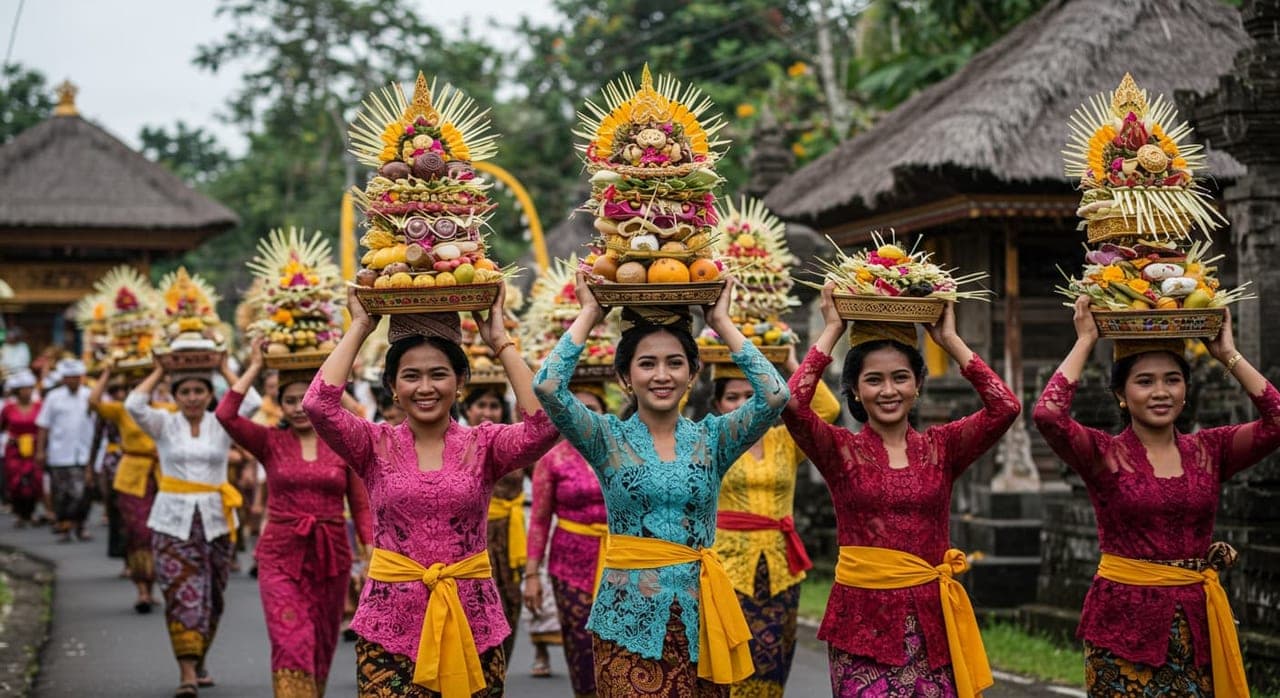
Indonesian Festivals & Cultural Celebrations 2026: A Year of Colorful Traditions
Experience Indonesia's vibrant festivals and cultural celebrations in 2026! From colorful processions to traditional ceremonies, discover the best festivals across the archipelago and plan your cultural journey.
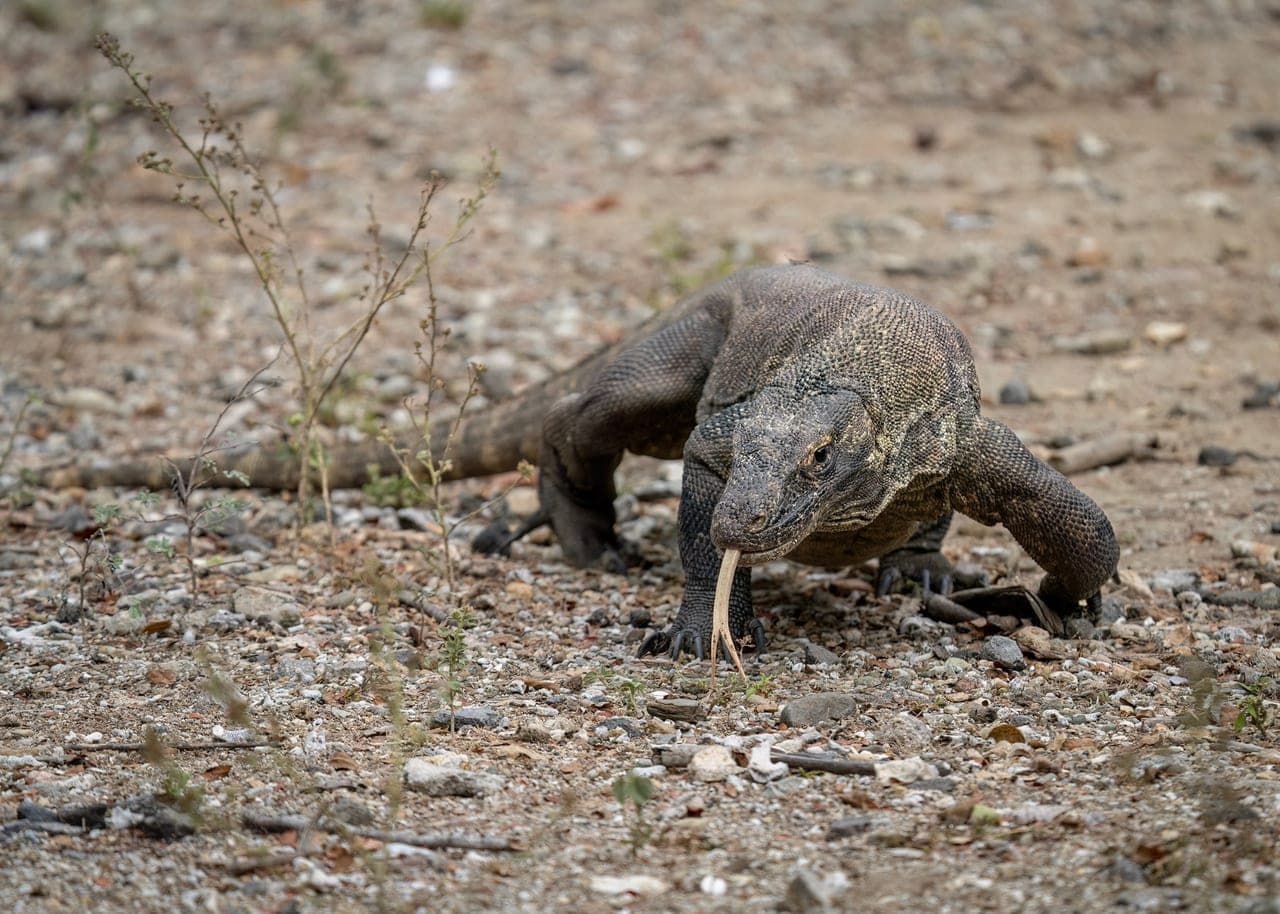
Indonesia Wildlife and Nature Encounters 2026: Discover Unique Animals and Natural Wonders
Experience Indonesia's incredible wildlife and natural wonders in 2026. From Komodo dragons to orangutans, discover unique animals, national parks, and unforgettable wildlife encounters across the Indonesian archipelago.
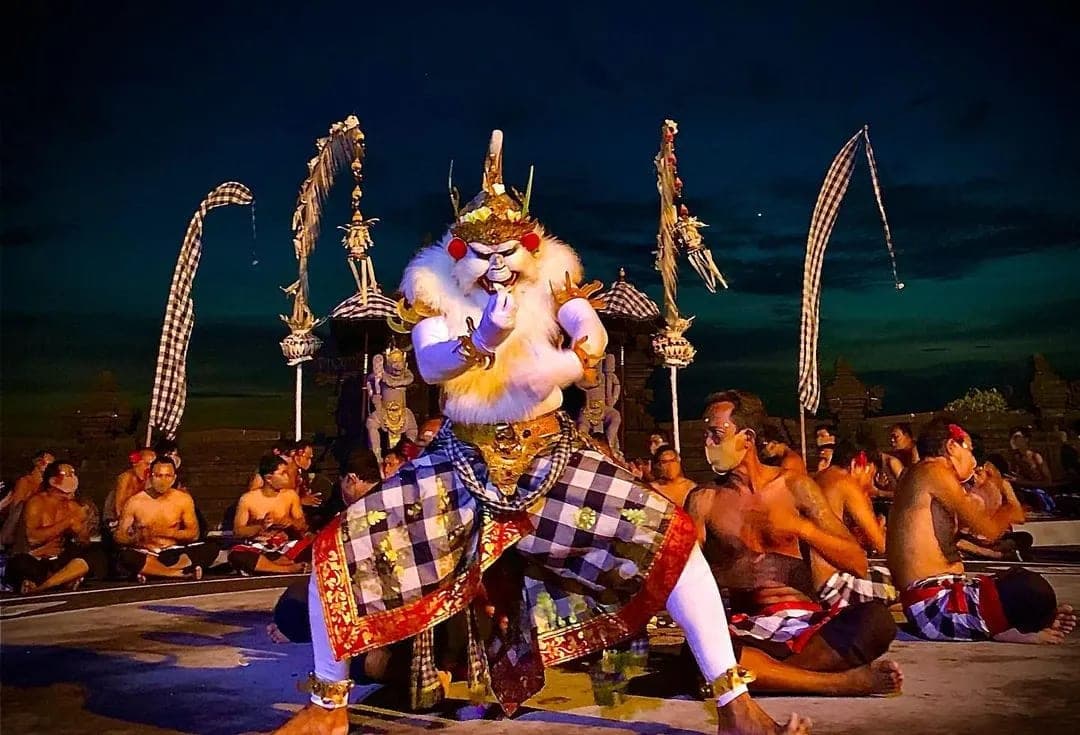
Indonesian Music, Arts & Culture 2026: Discover the Rich Cultural Heritage
Immerse yourself in Indonesia's vibrant arts and culture! From traditional gamelan music to contemporary art, discover the rich cultural heritage that makes Indonesia a fascinating destination in 2026.