
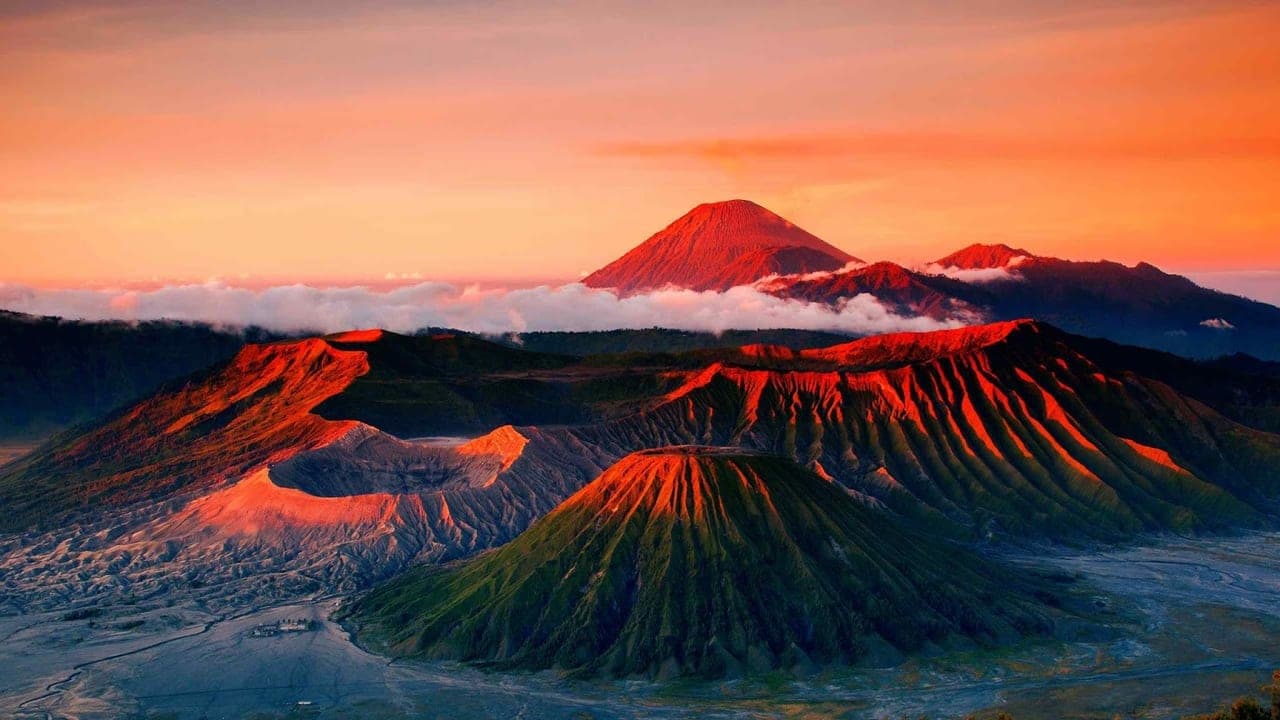
Indonesia Volcano Trekking Guide 2026: Climb Active Volcanoes and Experience Breathtaking Sunrises
Indonesia is home to 127 active volcanoes, more than any other country in the world. This volcanic archipelago offers some of the planet's most spectacular and accessible volcano trekking experiences, from sunrise climbs to active craters, stunning landscapes, and cultural immersion. Whether you're seeking the iconic Mount Bromo sunrise, the challenging Mount Rinjani summit, or the accessible Mount Batur climb, this comprehensive guide will help you plan unforgettable volcano adventures across Indonesia in 2026.
Table of Contents
- Why Trek Volcanoes in Indonesia?
- Mount Bromo – Iconic Sunrise Experience
- Mount Rinjani – Challenging Multi-Day Trek
- Mount Batur – Accessible Sunrise Climb
- Mount Ijen – Blue Fire and Sulfur Mining
- Mount Agung – Bali's Highest Peak
- Mount Merapi – Java's Most Active Volcano
- Mount Semeru – Java's Highest Peak
- Volcano Trekking Safety and Preparation
- Best Time for Volcano Trekking
- What to Pack for Volcano Trekking
- Planning Your Volcano Trekking Adventure
Why Trek Volcanoes in Indonesia?
Indonesia's volcanic landscape offers unique trekking experiences that combine natural beauty, adventure, and cultural significance in ways found nowhere else in the world.
Incredible Volcanic Diversity
- 127 Active Volcanoes: More than any country globally
- Varied Difficulty: From easy sunrise climbs to challenging multi-day treks
- Stunning Landscapes: Volcanic craters, calderas, and surrounding scenery
- Cultural Significance: Many volcanoes hold spiritual importance for locals
Unique Experiences
- Sunrise Views: Spectacular sunrise vistas from volcanic summits
- Active Craters: See steaming craters and volcanic activity
- Diverse Terrain: Volcanic sand, rocky paths, lush forests
- Cultural Immersion: Experience local communities and traditions
- Photography: Incredible opportunities for landscape photography
Accessibility
- Range of Difficulty: Options for all fitness levels
- Well-Organized Tours: Professional guides and tour operators
- Infrastructure: Good access to most popular volcanoes
- Combination Trips: Easy to combine with other Indonesia experiences
Mount Bromo – Iconic Sunrise Experience
Location: East Java, Bromo Tengger Semeru National Park
Difficulty: Easy to Moderate
Best Time: April to October (dry season)
Duration: 1 day (early morning start)
Highlights: Spectacular sunrise, active crater, sea of sand
Mount Bromo is Indonesia's most iconic volcano trekking experience, offering one of the world's most photographed sunrises and an accessible climb to an active volcanic crater.
Why Mount Bromo is Famous
- Iconic Sunrise: World-famous sunrise view over volcanic landscape
- Active Crater: Climb to the rim of an active volcano
- Sea of Sand: Unique volcanic sand plain (Tengger Caldera)
- Accessibility: Relatively easy climb suitable for most fitness levels
- Photography: One of Indonesia's most photographed locations
The Experience
Early Morning Start:
- 2:00-3:00 AM: Pickup from hotels in nearby towns
- 4:00 AM: Arrive at viewpoint (Penanjakan or King Kong Hill)
- 5:00-6:00 AM: Sunrise over Mount Bromo and surrounding volcanoes
- 6:30 AM: Descend to sea of sand
- 7:00 AM: Climb to Mount Bromo crater rim
- 8:00 AM: Return and breakfast
Sunrise Viewpoint:
- Penanjakan: Most popular viewpoint, can be crowded
- King Kong Hill: Alternative viewpoint, less crowded
- Seruni Point: Another option with good views
- Arrive Early: Essential to secure good viewing spot
Climbing Mount Bromo:
- 250 Steps: Staircase to crater rim (or walk up sandy slope)
- Active Crater: See and hear volcanic activity
- Safety: Stay behind safety barriers
- Duration: 30-45 minutes to climb, 15-20 minutes at crater
What to See
- Sunrise: Spectacular colors over volcanic landscape
- Mount Semeru: Java's highest peak, often visible with smoke
- Tengger Caldera: Massive volcanic caldera (sea of sand)
- Active Crater: Steaming crater with sulfur smells
- Surrounding Volcanoes: Multiple peaks in the caldera
Practical Information
- Base: Probolinggo or stay near Bromo (Cemoro Lawang)
- Getting There: Drive from Surabaya (3-4 hours) or Yogyakarta (6-7 hours)
- Tour Options: Day trips or overnight stays
- Fitness Level: Moderate fitness required, not too challenging
- Best Months: April to October for clearest views
Tips for Mount Bromo
- Dress Warmly: Very cold before sunrise (can be near freezing)
- Layers: Bring layers you can remove as it warms up
- Headlamp: Essential for early morning climb
- Camera: Bring camera for sunrise photos
- Book in Advance: Especially during peak season
- Arrive Early: For best sunrise viewing spots
Mount Rinjani – Challenging Multi-Day Trek
Location: Lombok, West Nusa Tenggara
Difficulty: Challenging
Best Time: April to November (dry season)
Duration: 2-4 days
Highlights: Summit sunrise, crater lake, challenging trek
Mount Rinjani is Indonesia's second-highest volcano and offers one of the country's most challenging and rewarding multi-day trekking experiences, with a stunning crater lake and summit sunrise views.
Why Mount Rinjani is Special
- Second Highest: 3,726 meters (12,224 feet) above sea level
- Crater Lake: Beautiful Segara Anak crater lake
- Challenging Trek: Physically demanding multi-day adventure
- Stunning Views: Panoramic vistas from summit
- Cultural Significance: Sacred to local Sasak people
Trekking Routes
2-Day, 1-Night (Summit):
- Day 1: Climb to summit camp, early summit attempt
- Day 2: Summit sunrise, descend
- Most Challenging: Steep and physically demanding
3-Day, 2-Night (Summit + Lake):
- Day 1: Climb to crater rim
- Day 2: Descend to lake, hot springs, climb to summit camp
- Day 3: Summit sunrise, descend
- Most Popular: Combines lake and summit
4-Day, 3-Night (Complete Experience):
- Most Comprehensive: Includes all highlights
- More Time: At lake and for acclimatization
- Best Experience: For those with time
What to Expect
Physical Challenge:
- Steep Terrain: Very steep sections, especially summit climb
- Altitude: High altitude, can cause altitude sickness
- Long Days: 6-10 hours of trekking per day
- Fitness Required: Good physical fitness essential
Accommodation:
- Camping: Tents provided by tour operators
- Basic Facilities: Limited facilities on mountain
- Cold Nights: Very cold at altitude, especially summit camp
- Porters: Available to carry equipment
Highlights:
- Summit Sunrise: Spectacular sunrise from highest point
- Crater Lake: Beautiful Segara Anak lake
- Hot Springs: Natural hot springs near lake
- Views: Panoramic views of Lombok and surrounding islands
Practical Information
- Base: Senaru or Sembalun villages
- Getting There: Fly to Lombok, drive to starting point
- Guides Required: Mandatory to use licensed guides
- Best Months: April to November (avoid wet season)
- Fitness: Excellent physical fitness required
- Cost: $200-400+ depending on duration and services
Safety Considerations
- Altitude Sickness: Be aware of symptoms
- Weather: Can change quickly, be prepared
- Guides: Always use experienced, licensed guides
- Equipment: Ensure you have proper gear
- Insurance: Travel insurance covering trekking recommended
Mount Batur – Accessible Sunrise Climb
Location: Bali, near Ubud
Difficulty: Moderate
Best Time: April to October (dry season)
Duration: Half day (early morning)
Highlights: Sunrise views, active crater, accessible from Bali
Mount Batur is Bali's most popular volcano trek, offering a relatively accessible sunrise climb with stunning views over Bali and the opportunity to see an active volcanic crater.
Why Mount Batur is Popular
- Accessibility: Easy to reach from Ubud and south Bali
- Moderate Difficulty: Suitable for most fitness levels
- Sunrise Views: Beautiful sunrise over Bali and Mount Agung
- Active Volcano: See volcanic activity
- Half-Day Trip: Doesn't require overnight stay
The Experience
Early Morning Start:
- 2:00-3:00 AM: Pickup from hotels
- 3:30 AM: Arrive at starting point, begin climb
- 5:30-6:00 AM: Reach summit for sunrise
- 6:00-7:00 AM: Enjoy sunrise and breakfast (often cooked on volcanic steam)
- 7:30 AM: Descend
- 9:00 AM: Return to hotel
The Climb:
- Duration: 1.5-2 hours to summit
- Difficulty: Moderate, some steep sections
- Terrain: Volcanic rock and sand
- Altitude: 1,717 meters (5,633 feet)
- Guide Required: Mandatory to use local guides
What to See
- Sunrise: Spectacular sunrise over Bali
- Mount Agung: Views of Bali's highest peak
- Lake Batur: Volcanic lake below
- Active Crater: Steam and volcanic activity
- Panoramic Views: 360-degree views from summit
Practical Information
- Base: Ubud, Sanur, or south Bali
- Getting There: 1-2 hour drive from most Bali locations
- Tour Options: Many operators offer tours
- Best Months: April to October
- Fitness Level: Moderate fitness required
- Cost: $30-60 typically
Tips for Mount Batur
- Warm Clothing: Cold before sunrise
- Headlamp: Essential for early morning climb
- Good Shoes: Hiking shoes recommended
- Water: Bring water for the climb
- Camera: For sunrise photos
- Book in Advance: Especially during peak season
Mount Ijen – Blue Fire and Sulfur Mining
Location: East Java, near Banyuwangi
Difficulty: Moderate to Challenging
Best Time: April to October (dry season)
Duration: Overnight (midnight start)
Highlights: Blue fire phenomenon, sulfur mining, sunrise views
Mount Ijen offers one of Indonesia's most unique volcano experiences: the rare blue fire phenomenon caused by ignited sulfur gases, plus the opportunity to see traditional sulfur mining.
Why Mount Ijen is Unique
- Blue Fire: Rare phenomenon of blue flames from sulfur
- Sulfur Mining: See traditional sulfur miners at work
- Acid Lake: Turquoise acidic crater lake
- Night Climb: Unique experience of climbing in darkness
- Cultural Insight: Learn about sulfur mining industry
The Experience
Midnight Start:
- 12:00-1:00 AM: Pickup from hotels
- 2:00 AM: Arrive at base, begin climb
- 3:30 AM: Reach crater rim, descend to blue fire area
- 4:00-5:00 AM: See blue fire (best in darkness)
- 5:30 AM: Sunrise over crater lake
- 6:30 AM: Return climb
- 8:00 AM: Return to hotel
Blue Fire:
- Best Time: 2:00-4:00 AM (darkness required)
- Location: Inside crater, requires descent
- Phenomenon: Ignited sulfur gases create blue flames
- Gas Masks: Often provided due to sulfur fumes
- Photography: Challenging but incredible photos possible
Sulfur Mining:
- Traditional Industry: See miners carrying sulfur baskets
- Hard Work: Extremely physically demanding work
- Respect: Maintain distance and respect for workers
- Cultural Experience: Unique insight into local industry
What to See
- Blue Fire: Rare blue flames from sulfur
- Crater Lake: Turquoise acidic lake
- Sunrise: Beautiful sunrise over crater
- Sulfur Mining: Traditional mining operations
- Surrounding Landscape: Volcanic scenery
Practical Information
- Base: Banyuwangi (eastern Java)
- Getting There: Drive from Surabaya or ferry from Bali
- Best Months: April to October
- Fitness Level: Moderate to good fitness required
- Gas Masks: Usually provided, but can bring your own
- Cost: $40-80 typically
Safety Considerations
- Sulfur Fumes: Can be strong, use gas mask
- Darkness: Climbing in dark requires care
- Steep Descent: Descent into crater is steep
- Physical Demand: Moderate to challenging climb
- Weather: Can be cold, especially before sunrise
Mount Agung – Bali's Highest Peak
Location: East Bali
Difficulty: Challenging
Best Time: April to October (dry season)
Duration: Overnight (midnight start)
Highlights: Bali's highest peak, sunrise views, challenging climb
Mount Agung is Bali's highest and most sacred volcano, offering a challenging overnight climb to the summit with spectacular sunrise views over the entire island.
Why Mount Agung is Special
- Highest Peak: 3,031 meters (9,944 feet), Bali's highest
- Sacred Mountain: Most sacred mountain for Balinese Hindus
- Challenging Climb: Physically demanding trek
- Sunrise Views: Panoramic views of entire Bali
- Cultural Significance: Important spiritual site
The Experience
Overnight Climb:
- 10:00-11:00 PM: Pickup from hotels
- 12:00 AM: Begin climb from temple (Pura Besakih route) or other starting point
- 4:00-5:00 AM: Reach summit for sunrise
- 6:00 AM: Begin descent
- 10:00 AM: Return to hotel
The Climb:
- Duration: 4-6 hours to summit
- Difficulty: Challenging, very steep sections
- Terrain: Rocky, sometimes loose volcanic rock
- Altitude: High altitude, can be challenging
- Guide Required: Mandatory, experienced guides essential
What to See
- Sunrise: Spectacular sunrise over Bali
- Panoramic Views: See entire island from summit
- Active Crater: Views into active volcanic crater
- Temple Views: See Pura Besakih (mother temple) below
- Surrounding Islands: Views of Lombok and other islands
Practical Information
- Base: Ubud, Sanur, or east Bali
- Routes: Multiple routes, Pura Besakih most common
- Best Months: April to October
- Fitness Level: Excellent fitness required
- Guide: Experienced guide essential
- Cost: $80-150 typically
Safety Considerations
- Very Challenging: One of Bali's most difficult climbs
- Steep Terrain: Very steep, sometimes dangerous sections
- Altitude: High altitude can cause issues
- Weather: Can be cold and windy at summit
- Volcanic Activity: Check current activity status before climbing
Mount Merapi – Java's Most Active Volcano
Location: Central Java, near Yogyakarta
Difficulty: Moderate to Challenging
Best Time: April to October (dry season)
Duration: Half day to full day
Highlights: Active volcano, close to Yogyakarta, cultural sites nearby
Mount Merapi is one of Indonesia's most active volcanoes and offers accessible trekking opportunities close to Yogyakarta, with the chance to see an active volcano up close.
Why Mount Merapi is Notable
- Most Active: One of Indonesia's most active volcanoes
- Accessibility: Easy to reach from Yogyakarta
- Recent Activity: Major eruptions in recent history
- Cultural Sites: Close to Borobudur and Prambanan
- Museum: Volcano museum at base
Trekking Options
Sunrise Trek:
- Early morning start for sunrise views
- Moderate difficulty
- See active crater
- Return by mid-morning
Day Trek:
- Full day experience
- More time to explore
- Learn about volcano
- Combine with museum visit
What to See
- Active Crater: See volcanic activity
- Sunrise Views: Beautiful sunrise over Java
- Volcanic Landscape: Unique volcanic terrain
- Museum: Learn about volcano at Merapi Museum
- Surrounding Area: Views of Yogyakarta and surrounding volcanoes
Practical Information
- Base: Yogyakarta
- Getting There: 1-2 hour drive from Yogyakarta
- Best Months: April to October
- Fitness Level: Moderate fitness required
- Safety: Check current activity status
- Cost: $40-80 typically
Safety Considerations
- Active Volcano: Check current activity and safety status
- Guides: Use experienced local guides
- Weather: Conditions can change quickly
- Respect Warnings: Follow all safety warnings and restrictions
Mount Semeru – Java's Highest Peak
Location: East Java, Bromo Tengger Semeru National Park
Difficulty: Very Challenging
Best Time: April to October (dry season)
Duration: 2-3 days
Highlights: Java's highest peak, challenging multi-day trek
Mount Semeru is Java's highest peak at 3,676 meters (12,060 feet) and offers a very challenging multi-day trekking experience for experienced hikers.
Why Mount Semeru is Special
- Highest Peak: Java's highest mountain
- Challenging: Very physically demanding
- Multi-Day: Requires 2-3 day commitment
- Remote: Less traveled than other volcanoes
- Rewarding: Incredible sense of achievement
The Experience
2-3 Day Trek:
- Day 1: Climb to base camp
- Day 2: Early summit attempt, return to camp
- Day 3: Descend (if 3-day option)
Challenges:
- Very Steep: Extremely steep final ascent
- Altitude: High altitude, risk of altitude sickness
- Physical Demand: Excellent fitness essential
- Weather: Can be challenging conditions
Practical Information
- Base: Near Bromo area
- Best Months: April to October
- Fitness Level: Excellent fitness and experience required
- Guide: Experienced guide essential
- Cost: $150-300+ typically
Volcano Trekking Safety and Preparation
Physical Preparation
- Fitness: Ensure adequate fitness for chosen trek
- Training: Build up fitness before trip
- Altitude: Be aware of altitude effects
- Health: Consult doctor if concerns
- Experience: Match trek difficulty to experience level
Safety Guidelines
- Guides: Always use experienced, licensed guides
- Weather: Check weather conditions
- Volcanic Activity: Check current activity status
- Equipment: Ensure proper equipment
- Insurance: Travel insurance covering trekking
Essential Equipment
- Footwear: Good hiking boots with grip
- Clothing: Layers for temperature changes
- Headlamp: Essential for early morning starts
- Water: Adequate water supply
- Snacks: Energy snacks for trek
- Backpack: Comfortable daypack
Health Considerations
- Altitude Sickness: Know symptoms and treatment
- Hydration: Stay well-hydrated
- Pace: Don't rush, maintain steady pace
- Rest: Take breaks when needed
- Medical: Bring any necessary medications
Best Time for Volcano Trekking
Dry Season (April to October)
- Best Overall: Clearest skies, best visibility
- Sunrise Views: Best chance of clear sunrise
- Trail Conditions: Dry trails, easier climbing
- Temperature: More comfortable temperatures
- Peak Season: More crowded, book in advance
Wet Season (November to March)
- Conditions: Rain, clouds, potentially poor visibility
- Advantages: Fewer crowds, lower prices
- Challenges: Slippery trails, less reliable views
- Still Possible: Many treks still doable with proper preparation
Specific Considerations
- Mount Bromo: Best April to October
- Mount Rinjani: Best April to November
- Mount Batur: Best April to October
- Mount Ijen: Best April to October
- Check Locally: Some volcanoes have specific best times
What to Pack for Volcano Trekking
Essential Items
- Hiking Boots: Good grip, ankle support
- Warm Layers: Base layer, mid layer, outer shell
- Headlamp: With extra batteries
- Water Bottle: At least 2 liters
- Snacks: Energy bars, nuts, chocolate
- Backpack: Comfortable daypack
- Camera: For sunrise and landscape photos
Clothing
- Base Layer: Moisture-wicking
- Mid Layer: Fleece or similar
- Outer Layer: Windproof, waterproof jacket
- Pants: Comfortable hiking pants
- Hat: Warm hat for cold mornings
- Gloves: For cold summit temperatures
- Extra Socks: Change if feet get wet
Additional Items
- Sunscreen: High SPF for tropical sun
- Sunglasses: Protection from sun and wind
- First Aid: Basic first aid kit
- Personal Medications: Any required medications
- Cash: For tips and additional expenses
- Phone: Fully charged, portable charger
Planning Your Volcano Trekking Adventure
Choosing Your Volcano
- Fitness Level: Match difficulty to your fitness
- Time Available: Consider duration required
- Location: Choose based on your Indonesia itinerary
- Interests: Sunrise, challenge, unique experiences
- Season: Consider best time to visit
Booking Tours
- Research: Read reviews, compare operators
- Licensed Guides: Ensure guides are licensed
- Safety Record: Check operator safety record
- Equipment: Verify equipment quality
- Insurance: Ensure operator has insurance
Travel Planning
- Flights: Book flights to appropriate airports
- Accommodation: Book hotels near starting points
- Transfers: Arrange transport to trek starting points
- Visa: Ensure appropriate Indonesia eVisa
- Travel Insurance: Include trekking coverage
Combining with Other Activities
- Cultural Sites: Combine with temple visits
- Beaches: Add beach time after trek
- Cities: Explore nearby cities
- Multiple Treks: Some areas offer multiple volcano options
- Other Activities: Diving, cultural experiences, etc.
Ready to climb Indonesia's spectacular volcanoes? Apply for your Indonesia eVisa today and start planning your volcano trekking adventure. From the iconic Mount Bromo sunrise to the challenging Mount Rinjani summit, Indonesia offers unforgettable volcano experiences for every level. Whether you're seeking accessible sunrise climbs or challenging multi-day adventures, Indonesia's volcanic landscape will provide memories and photographs that last a lifetime. Start your volcano trekking adventure in 2026!
Related Articles
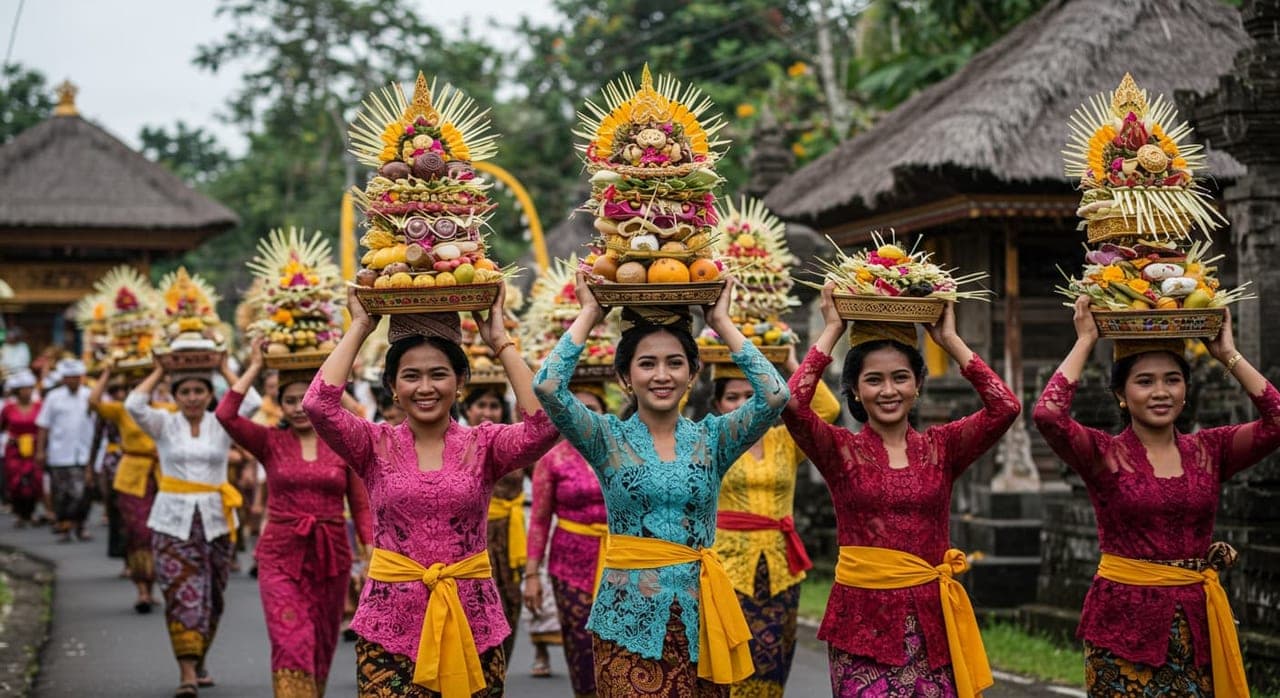
Indonesian Festivals & Cultural Celebrations 2026: A Year of Colorful Traditions
Experience Indonesia's vibrant festivals and cultural celebrations in 2026! From colorful processions to traditional ceremonies, discover the best festivals across the archipelago and plan your cultural journey.
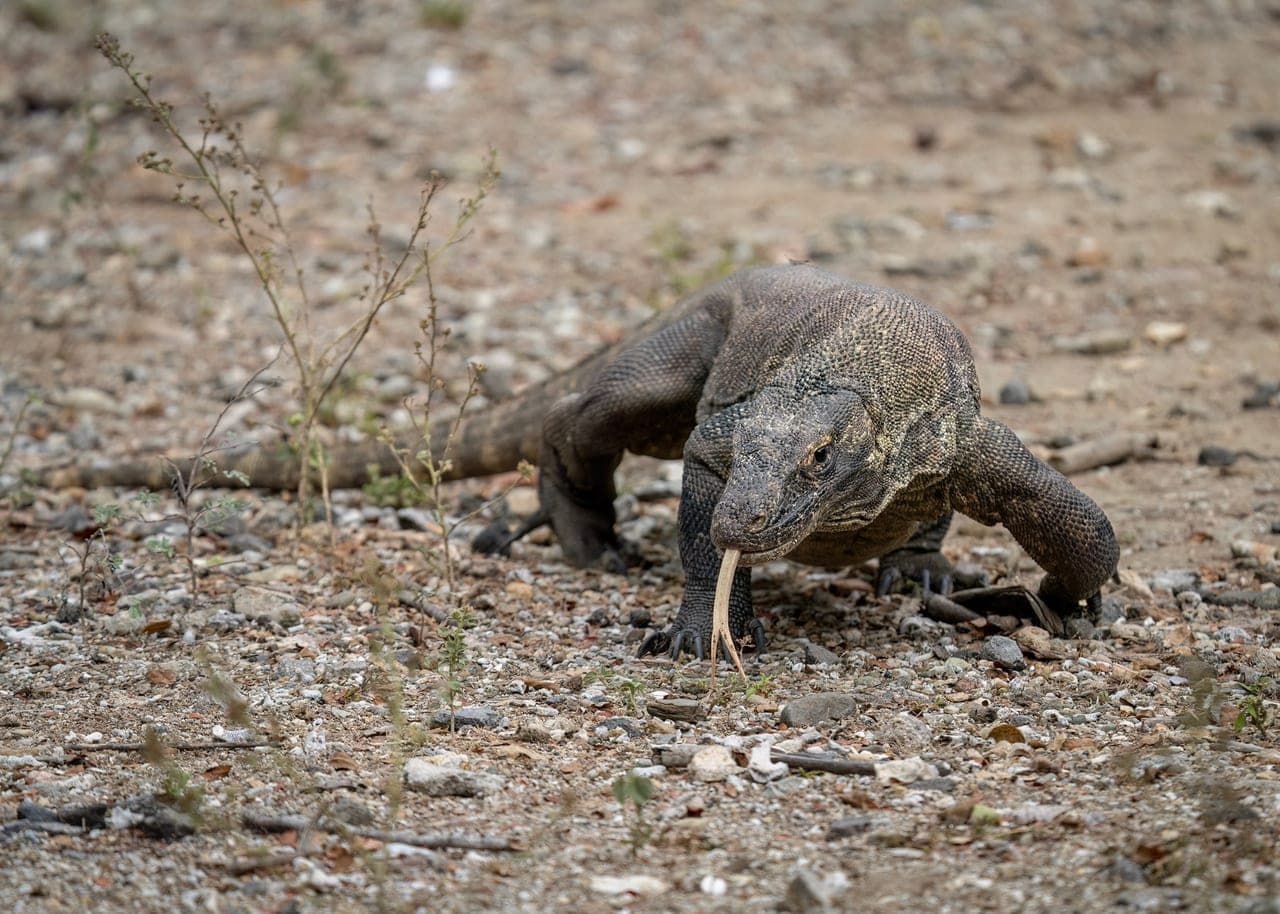
Indonesia Wildlife and Nature Encounters 2026: Discover Unique Animals and Natural Wonders
Experience Indonesia's incredible wildlife and natural wonders in 2026. From Komodo dragons to orangutans, discover unique animals, national parks, and unforgettable wildlife encounters across the Indonesian archipelago.
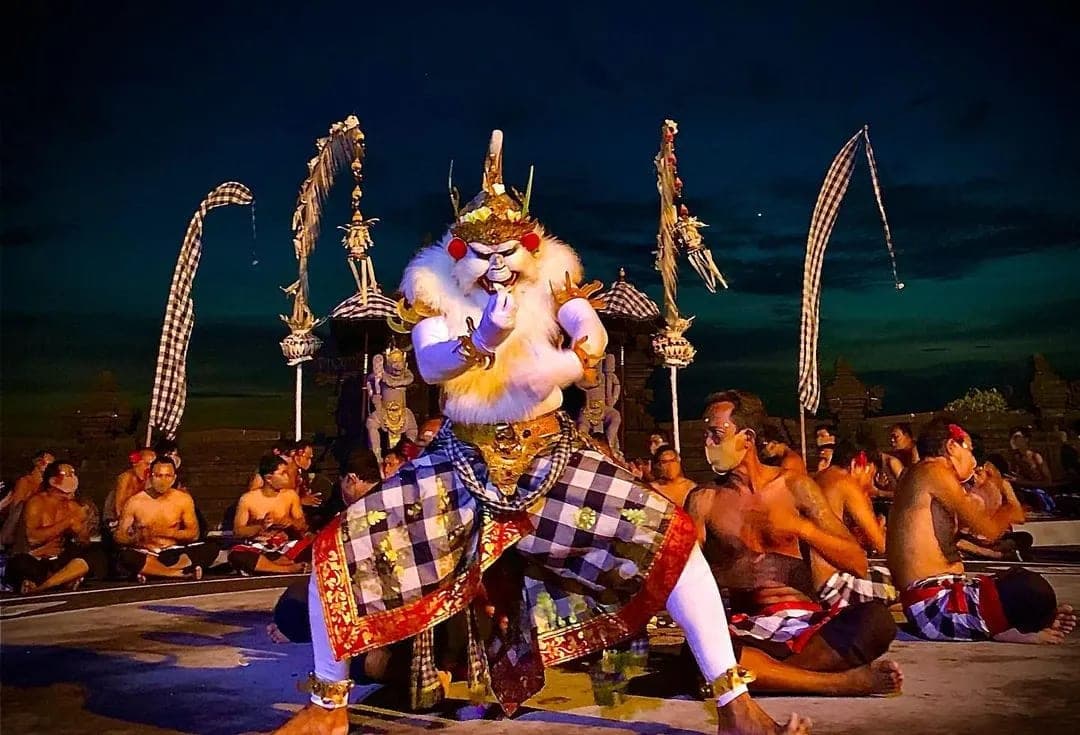
Indonesian Music, Arts & Culture 2026: Discover the Rich Cultural Heritage
Immerse yourself in Indonesia's vibrant arts and culture! From traditional gamelan music to contemporary art, discover the rich cultural heritage that makes Indonesia a fascinating destination in 2026.